Home › Articles
Colon Cleanse and Gut Cleanse: Do They Work, and Are They Safe?
By the Gut Label Check team. Updated November 6, 2026. 5 min read
Disclosure: some pages on this site contain affiliate links. This article is general information, not medical advice.
Colon cleanse kits, detox teas and colon hydrotherapy all promise to flush out “toxins” and “stuck waste.” Your colon has its own system for that. Here is what cleanses actually do, what the research found, and what does keep a colon healthy.
The short answer
- No good evidence of benefit for healthy people, from colonics, enemas or cleanse pills.
- Real risks: cramping, vomiting, dehydration, electrolyte problems and, rarely, kidney failure or bowel injury.
- The “pounds of stuck waste” idea is a myth. Weight lost on a cleanse is water and stool already on its way out.
- What works: fiber, fluids, movement, and colorectal cancer screening from age 45.
See a doctor instead of cleansing if you have: blood in your stool, unexplained weight loss, severe or persistent abdominal pain, constipation that lasts more than a week, or a new change in bowel habits after age 45. Don’t use colonics or enemas if you have Crohn’s disease, ulcerative colitis, diverticulitis, severe hemorrhoids, kidney or heart disease, or have had bowel surgery.
What “cleanse” products actually are
- Colon hydrotherapy (colonics): a practitioner flushes large amounts of water into the colon through a tube in the rectum, sometimes with herbs or coffee added.
- Enemas: the home version, a smaller amount of liquid.
- Cleanse pills, powders and teas: usually laxatives under another name. Common ingredients are stimulant laxatives (senna, cascara, aloe), magnesium, fiber such as psyllium, and sometimes clay.
In the US, colonic irrigation machines are regulated as medical devices. The devices the FDA has cleared are for cleansing the colon when medically needed, such as before an X-ray or endoscopic exam, not for general “detox.”
What the research found
A 2011 review in The Journal of Family Practice looked at 20 studies of colon cleansing published over the previous decade. It found little evidence of any benefit, and reports of cramping, bloating, nausea, vomiting, electrolyte imbalance and kidney failure. The authors advised doctors to discourage patients from colon cleansing, whether with a home kit or at a spa, and noted that poorly disinfected irrigation equipment has been linked to bacterial contamination.
The NIH’s National Center for Complementary and Integrative Health reaches a similar view: there are few studies of detox and cleanse programs in people, they are of low quality, and some programs can be unsafe or falsely advertised. Mayo Clinic says there is no evidence that colon cleansing delivers the benefits it claims.
The claims, checked
“Pounds of stuck waste” and “mucoid plaque”
Cleanse ads often show rope-like material and say it is years of waste stuck to the colon wall. There is no medical evidence for this. Doctors look at the inside of millions of colons during colonoscopy and don’t find years of hardened waste. The lining of the gut sheds and renews itself constantly. The “ropes” some people see after a cleanse may be the product itself, since fiber and clay can form gel-like clumps.
The weight you lose on a cleanse is mostly water and the stool that was already there. It comes back as soon as you eat normally.
“Toxins”
Cleanse ads rarely name which toxins they remove, or show that any are removed. Your liver breaks down harmful substances and your kidneys and gut excrete them. If you are worried about a specific exposure, such as lead from old pipes, the answer is a blood test ordered by a doctor.
Claims on gut products we’ve reviewed
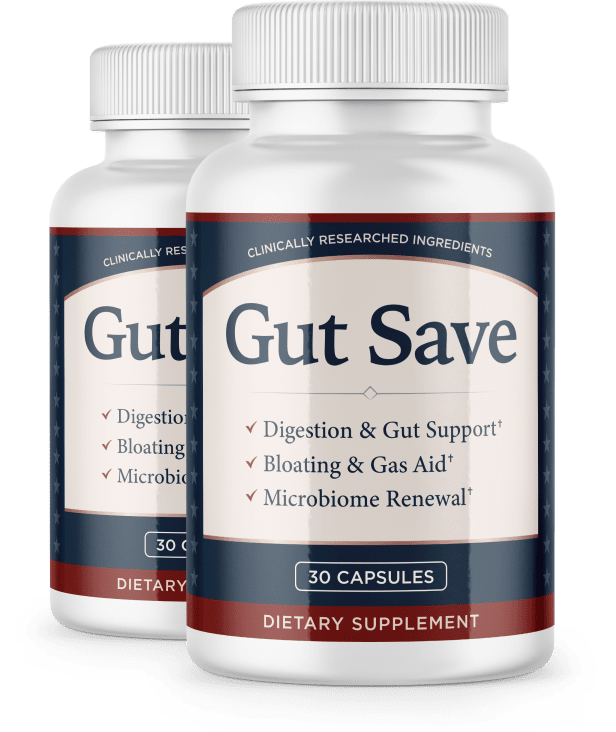
- Gut Save’s video sales page promises a “Smooth Gut” trick that “releases 15+ lbs of stuck waste”, with no source.
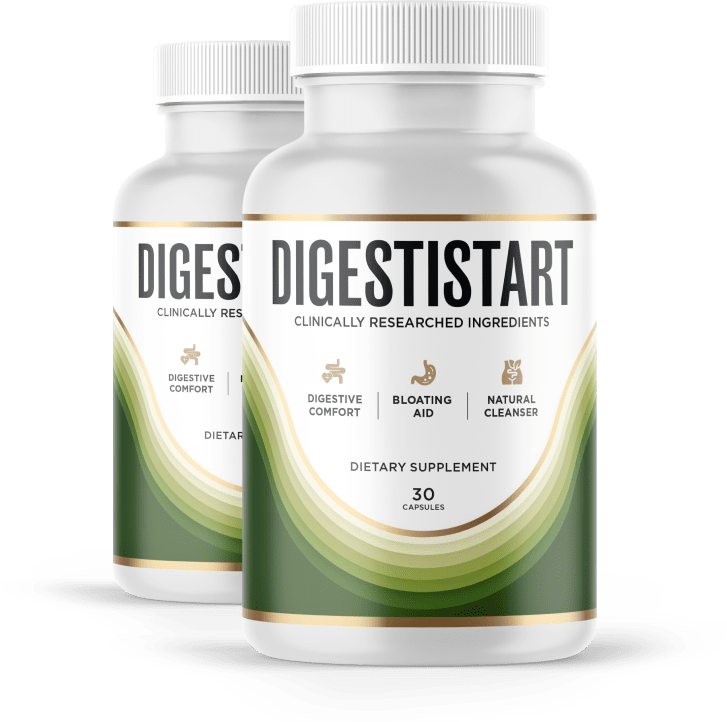
- DigestiStart’s sales page says its herbs help “clear out all the lead from your gut.” None of its references shows that.
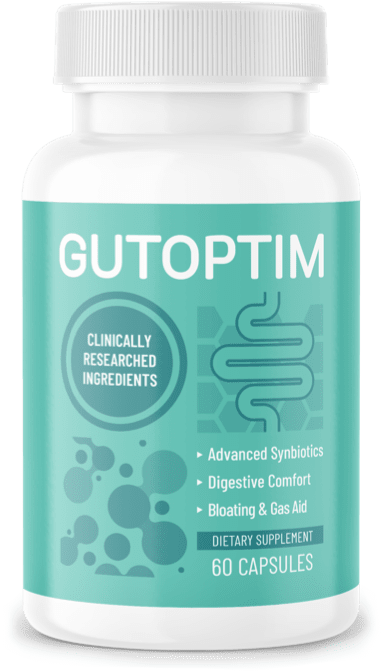
- GutOptim is sold with a “blue parasite” story and contains clay, black walnut hull and aloe, classic cleanse ingredients.
Details in our side-by-side comparison, the DigestiStart review and the GutOptim review.
The risks in cleanse pills and teas
- Stimulant laxatives. Senna, cascara and aloe make the bowel contract. Used often, they cause cramping and diarrhea, and diarrhea can lead to dehydration and low potassium. OTC laxative labels say not to use them for more than a week unless a doctor tells you to.
- Ingredients the FDA dropped from OTC laxatives. In 2002 the FDA ruled that aloe and cascara sagrada were not shown to be safe and effective as over-the-counter laxatives and ordered them out of those products. They still appear in some dietary supplements, which follow different rules.
- Clay. Bentonite can contain lead and binds medicines. See is bentonite clay safe to eat?
- Medicines. Diarrhea and binders can reduce how well your medicines work. Ask a pharmacist before any cleanse if you take prescription drugs.
What actually keeps your colon healthy
- Fiber. Most adults eat far less than recommended. Food first; if you use a supplement, psyllium has the most evidence for regularity. Compare options in Metamucil vs Benefiber vs Citrucel.
- Fluids and movement. Both help fiber work and keep stool moving.
- A routine. Don’t ignore the urge to go; many people find the morning, after breakfast, works best.
- For constipation, see remedies ranked by the evidence.
- Colorectal cancer screening. The US Preventive Services Task Force recommends screening for adults at average risk from age 45 to 75, by stool test or colonoscopy. That is the colon check that saves lives.
If a “parasite cleanse” is what brought you here, see do adults need a parasite cleanse?
Questions people ask
Do colon cleanses work?
There is no good evidence that they improve health in healthy people. A 2011 review of 20 studies found little benefit and a range of side effects.
Is there really pounds of waste stuck in your colon?
No. Colonoscopies don’t find it. Weight lost on a cleanse is water and stool already on its way out.
Are colon cleanse pills safe?
It depends on the ingredients. Stimulant laxatives such as senna, aloe and cascara can cause cramping, diarrhea and electrolyte problems with frequent use.
What is the best natural way to clean your colon?
Your colon cleans itself. Fiber, fluids, activity and a routine keep things moving, and screening from age 45 checks for what matters.
Gut supplements we checked
If you are comparing gut capsules anyway, here is what their labels show, including the weak spots.
GutOptim
Fiber, clay, aloe and one probiotic in a 1.5 g blend
Serving2 capsules a day
Cost per day$1.63–$2.30
Every dose shownNo
Full ingredient list, but the whole blend is a fraction of the fiber doses used in studies.
Check price on the official site
Read the label check
Gut Save
Fish collagen, herbs and probiotics, 500 mg with every dose listed
Serving1 capsule a day
Cost per day$1.63–$2.63
Every dose shownYes
The most open label of the three, with small amounts of each ingredient.
Check price on the official site
Read the label check
DigestiStart
11 traditional Chinese herbs in a 500 mg blend
Serving1 capsule a day
Cost per day$1.63–$2.63
Every dose shownNo
A herbal tonic blend, about 45 mg per herb, with mostly lab and animal studies behind it.
Check price on the official site
Read the label check
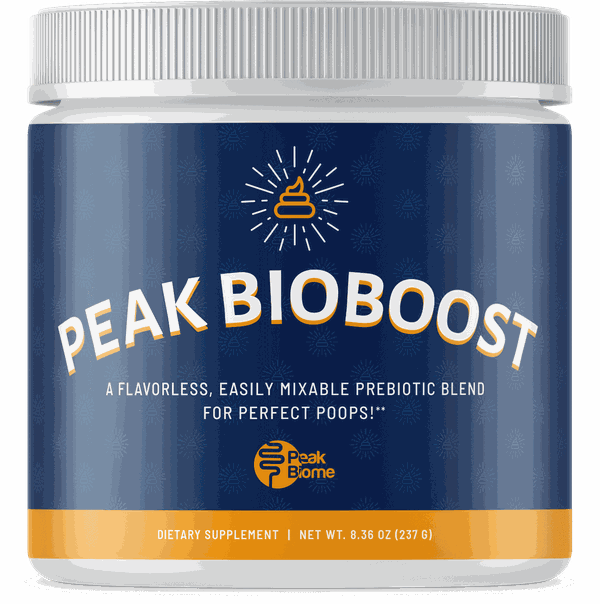
Peak BioBoost
Inulin, FOS, acacia gum and XOS (8 g blend) plus 40 mg magnesium
Serving1 scoop (about 8 g) a day
Cost per day$1.00–$1.67
Every dose shownPartly
A real fiber dose, 7 g a day, but the advertised star, XOS, is the smallest ingredient.
Check price on the official site
Read the label check
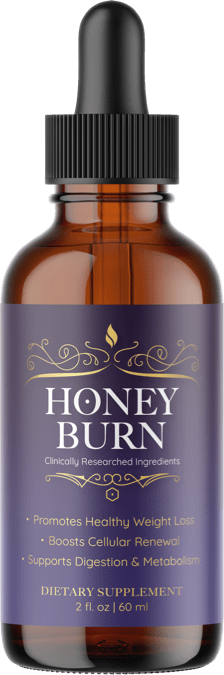
HoneyBurn
Honey, bee products, herbs and berberine in a 550 mg blend
Serving2 ml liquid a day
Cost per day$1.63–$2.30
Every dose shownNo
Berberine is listed last, so a serving holds about 4 mg of it at most.
Check price on the official site
Read the label check
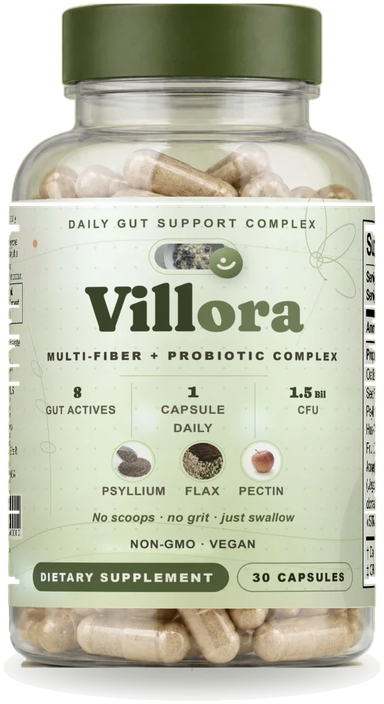
Villora
Six fibers, black walnut hull and one probiotic in a 695 mg blend
Serving1 capsule a day
Cost per day$1.63–$2.47
Every dose shownNo
Nearly the same formula as GutOptim at half the daily amount, and the label leaves the probiotic strain blank.
Check price on the official site
Read the label check
Sources
- Mishori R, Otubu A, Jones AA. The dangers of colon cleansing. J Fam Pract, 2011;60(8):454–457. mdedge.com
- NIH National Center for Complementary and Integrative Health. “Detoxes” and “Cleanses”: What You Need To Know. nccih.nih.gov
- Mayo Clinic. Colon cleansing: Is it helpful or harmful? mayoclinic.org
- U.S. Code of Federal Regulations, 21 CFR 876.5220: Colonic irrigation system. law.cornell.edu
- U.S. FDA. Final rule: aloe and cascara sagrada in OTC laxative drug products not generally recognized as safe and effective. Federal Register, May 9, 2002. govinfo.gov
- U.S. Preventive Services Task Force. Colorectal Cancer: Screening, 2021. uspreventiveservicestaskforce.org
- Gut Save, DigestiStart and GutOptim sales pages, checked October 15–16, 2026. Details in our comparison.