Home › Articles
Metamucil vs Benefiber vs Citrucel: Which Fiber Works, and What a Gram Really Costs
By the Gut Label Check team. Updated October 27, 2026. 8 min read
Disclosure: some pages on this site contain affiliate links. This article is general information, not medical advice.
Metamucil, Benefiber and Citrucel sit side by side on the shelf, but they are built on three different fibers that behave differently in your gut. Add the new prebiotic powders and you have four. Here is what each one does, what the evidence supports, and what a gram of fiber really costs.
The short answer
- For constipation, psyllium has the most evidence. That is the fiber in Metamucil and in plain psyllium husk.
- Citrucel (methylcellulose) is the alternative if psyllium gives you gas: gut bacteria don’t ferment it.
- Benefiber (wheat dextrin) and prebiotic powders (inulin) dissolve clear and are easy to take daily, but the evidence that they soften stool is weaker.
- Cheapest per gram: plain psyllium, about $0.04. Benefiber and Metamucil cost about twice that, Peak BioBoost four to six times, Citrucel caplets nine times.
See a doctor before using any fiber supplement or laxative if you have: blood in your stool, unexplained weight loss, severe or persistent abdominal pain, trouble swallowing, or a new change in bowel habits after age 45. OTC fiber laxative labels also say to stop and ask a doctor if constipation lasts more than 7 days.
Four fibers, four ways of working
| Fiber | Sold as | Forms a gel? | Fermented by gut bacteria? | Label |
|---|
| Psyllium husk | Metamucil, plain psyllium powders | Yes | Barely | Metamucil: Drug Facts (laxative) and fiber supplement. Plain psyllium: Supplement Facts |
| Methylcellulose | Citrucel | No gel, but holds water | No | Drug Facts: “bulk-forming fiber laxative” |
| Wheat dextrin | Benefiber | No, dissolves clear | Yes | Supplement Facts |
| Inulin, FOS, acacia, XOS | Prebiotic powders such as Peak BioBoost | No | Yes | Supplement Facts |
The label type matters. Metamucil and Citrucel are sold as over-the-counter laxatives, so their labels can say they relieve occasional constipation and must carry drug warnings. Benefiber and prebiotic powders are dietary supplements. They can talk about “digestive health” and “good bacteria,” but not about treating constipation.
What the evidence says
Constipation
The 2023 guideline from the American Gastroenterological Association and the American College of Gastroenterology gives fiber supplements a conditional recommendation for chronic constipation: some benefit, low-certainty evidence. Psyllium is the fiber with the most trials behind it.
A 2017 review in the Journal of the Academy of Nutrition and Dietetics explains why the type of fiber matters. It found only two ways a fiber softens stool: coarse insoluble particles like wheat bran irritate the gut wall so it secretes water, or a gel-forming fiber like psyllium holds water so stool doesn’t dry out. The authors concluded that soluble fibers that gut bacteria ferment, naming inulin, FOS and wheat dextrin, don’t provide a laxative effect.
Inulin has one counterpoint. In 2015 the European Food Safety Authority accepted that 12 g a day of native chicory inulin increases stool frequency. That is more inulin than most prebiotic powders put in a serving.
Gas and bloating
Fermentation is what feeds gut bacteria, and it is also what makes gas. Inulin and FOS are FODMAPs, the fermentable carbohydrates a low-FODMAP diet for IBS cuts back. Methylcellulose isn’t fermented at all, which is why Citrucel advertises fiber “that won’t cause excessive gas.” The fine print on that claim says it is based on laboratory testing, not on a trial in people.
For IBS, the 2021 American College of Gastroenterology guideline recommends soluble, but not insoluble, fiber; in the trials it relied on, soluble fiber mostly meant psyllium.
Cholesterol
Psyllium is the only fiber here with an FDA-authorized heart health claim: 7 g of soluble fiber a day from psyllium husk, as part of a diet low in saturated fat and cholesterol, may reduce the risk of heart disease. Metamucil’s label says one adult dose holds 2.4 g of that soluble fiber, so the claim takes about three doses a day.
What a gram of fiber really costs
We took the per-serving fiber from each label and divided the price by the total fiber in the container. Prices are from Amazon on October 22, 2026, sold and shipped by Amazon, except Peak BioBoost, which is sold only on its official site (checked October 18, 2026).
| Product | Price and size | Fiber per serving | Price per gram of fiber | Cost of 7 g of fiber a day |
|---|
| NOW Foods Psyllium Husk Powder (plain) | $20.46 for 680 g | 7 g per level tablespoon (9 g) | $0.04 | $0.27 |
| Benefiber, Unflavored | $13.48 for 8.7 oz, 62 adult servings | 3 g per 2 teaspoons (4 g) | $0.07 | $0.51 |
| Metamucil 4-in-1, Sugar-Free Orange | $17.99 for 15 oz, 72 servings | 3 g per rounded teaspoon | $0.08 | $0.58 |
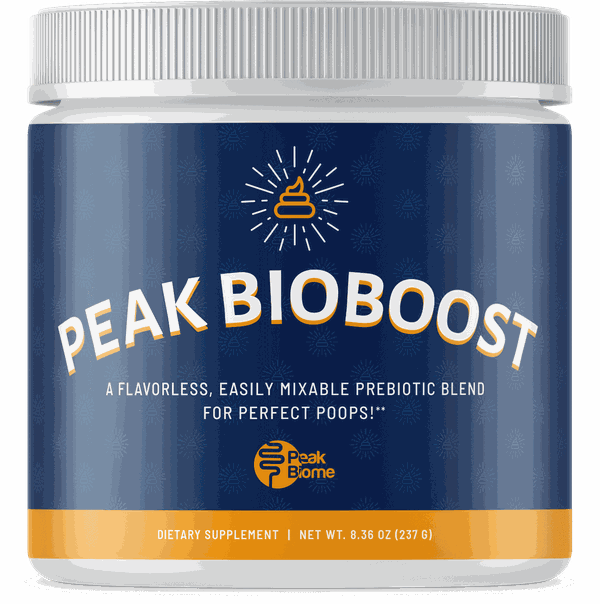
| Peak BioBoost (prebiotic powder) | $49.95 a jar, or $29.95 each in a 6-jar bundle; 30 scoops | 7 g per scoop | $0.14–$0.24 | $1.00–$1.67 |
| Citrucel Fiber Therapy Caplets | $31.47 for 180 caplets | 0.5 g per caplet | $0.35 | Label maximum is 6 g a day: $2.10 |
How we calculated: plain psyllium 680 g ÷ 9 g × 7 g = about 529 g of fiber, so $20.46 ÷ 529 = $0.04 per gram. Benefiber 62 × 3 g = 186 g, $13.48 ÷ 186 = $0.07. Metamucil 72 × 3 g = 216 g, $17.99 ÷ 216 = $0.08. Peak BioBoost 30 × 7 g = 210 g, so $29.95 ÷ 210 = $0.14 and $49.95 ÷ 210 = $0.24; one and three jars add $6.95 shipping. Citrucel 180 × 0.5 g = 90 g, $31.47 ÷ 90 = $0.35.
Why no Citrucel powder in the table? The 32 oz sugar-free jar cost $39.30, and its Drug Facts give 2 g of methylcellulose per rounded tablespoon. But the label doesn’t say how many tablespoons are in the jar, so we couldn’t work out the fiber total from the label alone. The caplets state 500 mg each, so we used them.
Prices change, and they vary a lot between stores. On the same day, the same 15 oz jar of Metamucil cost $17.99 on Amazon and $23.10 at Vitacost. The method doesn’t change: divide the price by the total grams of fiber, using the “dietary fiber” line or the active ingredient on the label.
Label details worth knowing
- Sugar-free means aspartame. The sugar-free versions of Metamucil and Citrucel are sweetened with aspartame, which people with phenylketonuria must avoid.
- Benefiber is made from wheat but labeled gluten-free: under 20 parts per million, the FDA threshold. If you have celiac disease, ask your doctor or dietitian.
- Benefiber now mentions GLP-1 on its packaging (“GLP-1 support for fiber gap”). It is a fiber, not a GLP-1 medicine. The fine print tells you to talk to your doctor about managing your GLP-1 medication.
- Psyllium can cause allergies. Metamucil’s label warns about reactions in people sensitive to inhaled or ingested psyllium, so don’t breathe in the powder while mixing.
- Peak BioBoost lists its fibers as one 8 g blend, so you can’t see how much inulin, FOS, acacia or XOS you get. Only unopened jars can be returned. Details in our Peak BioBoost review.
Which one fits which situation
- You want the best evidence for constipation at the lowest cost: plain psyllium powder. It has no taste but thickens quickly, so drink it right after mixing. More in how much psyllium to take.
- You want psyllium but can’t stand the texture: Metamucil mixes more smoothly and comes flavored, for about twice the price per gram.
- Psyllium gives you gas or bloating: Citrucel. Methylcellulose isn’t fermented, but it costs the most per gram.
- You’d rather swallow pills than drink fiber: capsules and caplets hold about half a gram each, so a real dose takes 10 or more a day. See fiber pills vs powder.
- You want extra fiber in coffee or food every day, not a laxative: Benefiber dissolves clear and costs little. A prebiotic powder such as Peak BioBoost gives a larger dose per scoop, 7 g, at a higher price. Expect some gas in the first weeks with inulin, and skip it if you follow a low-FODMAP diet.
How to take any fiber supplement
- Start low and increase over one to two weeks. Gas and bloating at the start are common.
- Take bulk fibers with a full glass of liquid, at least 8 oz. Psyllium and methylcellulose labels carry a choking warning: taken without enough liquid, they can swell and block the throat. Don’t use them if you have trouble swallowing.
- Keep fiber away from medicines. Metamucil’s label says to take it at least 2 hours before or after other medicines. Ask your pharmacist about yours.
- Give it time. Citrucel’s label says it generally produces a bowel movement in 12 to 72 hours. If constipation lasts more than 7 days, stop and see a doctor.
Fiber is one option among several. See constipation remedies ranked by the evidence.
Questions people ask
Which is better, Metamucil or Benefiber?
For constipation, Metamucil: psyllium forms a gel and is the most studied fiber. Benefiber’s wheat dextrin is easy to take daily, but a 2017 review concluded that fermentable soluble fibers like it don’t provide a laxative effect. Per gram, the two cost about the same in our check.
Is Citrucel better than Metamucil if psyllium gives me gas?
It can be worth trying. Methylcellulose isn’t fermented, and Citrucel’s label says it won’t cause excessive gas, a claim footnoted as based on laboratory testing. The caplets cost about four times more per gram than Metamucil.
What is the cheapest fiber supplement per gram?
Plain psyllium husk powder, about $0.04 per gram of fiber in our check, against $0.07 to $0.35 for the branded products.
Is Benefiber gluten-free?
It is made from wheat but labeled gluten-free, under 20 parts per million. With celiac disease, ask your doctor or dietitian first.
Can I take a fiber supplement every day?
Metamucil and Benefiber are sold for daily use. As a laxative, the labels say to stop and ask a doctor if constipation lasts more than 7 days. For daily use against chronic constipation, agree on it with your doctor.
Prebiotic powder we checked
Of the gut products we review, Peak BioBoost is the one built on fiber you can stir into food. Here is how its label holds up.
Peak BioBoost
Inulin, FOS, acacia gum and XOS (8 g blend) plus 40 mg magnesium
Serving1 scoop (about 8 g) a day
Cost per day$1.00–$1.67
Every dose shownPartly
A real fiber dose, 7 g a day, but the advertised star, XOS, is the smallest ingredient.
Check price on the official site
Read the label check
Sources
- Chang L. et al. AGA–ACG Clinical Practice Guideline: Pharmacological Management of Chronic Idiopathic Constipation, 2023. PMC10542656
- McRorie JW Jr, McKeown NM. Understanding the Physics of Functional Fibers in the Gastrointestinal Tract: An Evidence-Based Approach to Resolving Enduring Misconceptions about Insoluble and Soluble Fiber. J Acad Nutr Diet, 2017. PubMed 27863994
- Lacy BE et al. ACG Clinical Guideline: Management of Irritable Bowel Syndrome, 2021. PubMed 33315591
- EFSA Panel on Dietetic Products, Nutrition and Allergies. Scientific opinion on native chicory inulin and maintenance of normal defecation by increasing stool frequency, 2015. EFSA Journal 2015;13(1):3951
- U.S. Code of Federal Regulations, 21 CFR 101.81: health claims for soluble fiber from certain foods, including psyllium husk, and risk of coronary heart disease. ecfr.gov
- Citrucel powder (Orange and Sugar Free): Drug Facts label. DailyMed
- Citrucel caplets: Drug Facts label. DailyMed
- Product pages, labels and prices on Amazon, checked October 22, 2026: NOW Foods Psyllium Husk Powder, 24 oz; Benefiber Unflavored, 8.7 oz; Metamucil 4-in-1 Sugar-Free Orange, 15 oz; Citrucel caplets, 180 count; Citrucel Sugar Free powder, 32 oz.
- NOW Foods Psyllium Husk Powder label (7 g of fiber per level tablespoon) and Metamucil price at Vitacost: vitacost.com, vitacost.com.
- Peak BioBoost official site: Supplement Facts label, prices and refund policy, checked October 18, 2026. Details in our Peak BioBoost review.