Home › Articles
Is Bentonite Clay Safe to Eat? Benefits, the Lead Problem and What the Evidence Shows
By the Gut Label Check team. Updated November 3, 2026. 5 min read
Disclosure: some pages on this site contain affiliate links. This article is general information, not medical advice.
Bentonite clay is sold as a “detox” powder, a gut cleanser and a face mask, and it turns up in gut supplements. Here is what it is, what the evidence for eating it actually covers, and why lead is the question to ask first.
The short answer
- There is no good evidence that eating bentonite “detoxes” healthy people.
- Lead is the main risk. In 2016 the FDA warned consumers not to use two bentonite products after finding elevated lead.
- A purified medical clay (smectite) may shorten acute diarrhea in children by about a day. That is a standardized medicine, not supplement clay.
- Don’t take clay if you are pregnant, nursing, giving it to a child, or taking medicines without asking a doctor.
If you or your child have swallowed a bentonite product that is under an FDA warning, or you are pregnant and have been eating clay, talk to a doctor. A blood test can check for lead. See a doctor promptly for diarrhea with blood, fever, or signs of dehydration.
What bentonite is
Bentonite is clay formed from volcanic ash. It is mostly montmorillonite, a mineral whose thin layers soak up water and hold on to other substances. That absorbency is why it is used to clarify wine and juice, in cat litter and drilling mud, and in face masks. Products are usually labeled sodium or calcium bentonite, after the mineral that dominates.
US food rules list bentonite as generally recognized as safe, but only as a processing aid, used at levels that leave no significant residue in the food. That covers filtering wine. It isn’t an approval for eating clay by the spoonful.
What the evidence covers
“Detox”
Sellers say clay binds toxins and heavy metals and carries them out. Clay does bind substances in a test tube and in the gut. But we found no good human trials showing that eating bentonite removes toxins or improves health in healthy people. Your liver and kidneys do that work, and clay can’t tell a toxin from a medicine or a nutrient.
Diarrhea
This is where clay has real data, for a purified, standardized medical clay called smectite (diosmectite), sold as a medicine in many countries. A 2018 Cochrane review of 18 trials with 2,616 children found it may shorten acute infectious diarrhea by about a day, with low-certainty evidence and no serious side effects reported. It didn’t reduce hospital admissions. Rehydration remains the main treatment.
IBS
A 2005 French trial gave 524 people with IBS a related clay, beidellitic montmorillonite, at 3 g three times a day for 8 weeks. Overall it did no better than placebo. In the subgroup with constipation-predominant IBS, more people reported less pain or discomfort: 49% against 32% on placebo. One trial, in a subgroup, of a pharmaceutical clay at 9 g a day.
The lead problem
Clay comes out of the ground, and the ground can contain lead, arsenic and other metals. Whether a product is safe depends on where the clay was mined and how it was tested.
- January 2016: the FDA warned consumers not to use “Bentonite Me Baby” by Alikay Naturals because of potential lead poisoning. It was sold as a “medicinal” clay in stores and online.
- March 2016: the FDA warned consumers not to use “Best Bentonite Clay”, sold online as a powder to mix with water and drink or apply to skin, after its lab found elevated lead. The agency advised anyone who had used it, or given it to a child, to see a health care professional.
Lead harms the brain, kidneys and immune system, and there is no known safe level in children. During pregnancy it crosses the placenta. Studies of women who eat clay or soil during pregnancy, a craving called pica or geophagia, have found higher blood lead levels than in women who don’t.
Some clay products carry a California Proposition 65 warning about lead. That label tells you the product may expose you to lead above California’s threshold; it isn’t an FDA finding.
Other side effects
- Binding medicines and nutrients. Clay can reduce how much of a medicine you absorb if both are in the gut at the same time.
- Constipation. Clay absorbs water. Large amounts, especially without enough liquid, can harden stool.
- Not for children or pregnancy. Lead risk weighs most heavily here.
How to read a clay label
- “For external use only” means exactly that. Many bentonite powders are sold for masks and baths.
- Heavy-metal testing: look for a published certificate of analysis that lists lead, arsenic, cadmium and mercury, from a recent batch. Ask the seller if it isn’t on the site.
- An amount per serving. If clay is hidden in a “proprietary blend,” you can’t know how much you swallow.
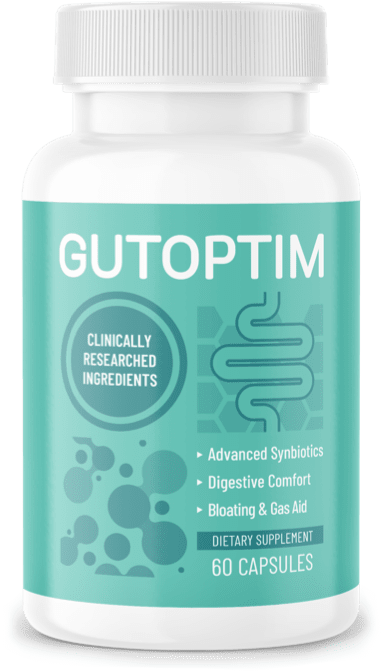
Bentonite in GutOptim
GutOptim lists bentonite clay as the second of ten ingredients in a 1.5 g proprietary blend per two capsules. Labeling rules require blend ingredients in order of weight, so the second one can make up at most half the blend: up to 750 mg of clay a day, and possibly much less. The seller cites the 2005 IBS trial above, which used 9 g a day of a different clay. The official site doesn’t publish heavy-metal test results; we have no evidence that GutOptim contains lead, but you can’t check. Details in our GutOptim review.
Questions people ask
Is bentonite clay safe to eat?
Not reliably. Clay can contain lead, and the FDA warned against two bentonite products in 2016. Its food approval covers use as a processing aid, not eating it. Pregnant women and children should not take it.
Does bentonite clay detox your body?
There is no good human evidence that it removes toxins in healthy people. It binds things in the gut indiscriminately, including medicines.
Does bentonite clay help with diarrhea?
A purified medical clay, smectite, may shorten acute diarrhea in children by about a day. Supplement clay isn’t the same product.
Can I take bentonite clay with medications?
Clay can reduce how much of a medicine you absorb. Ask your doctor or pharmacist first, and never take them together.
Gut supplements we checked
If you are comparing gut capsules, here is what their labels show. Side by side: Gut Save vs DigestiStart vs GutOptim.
GutOptim
Fiber, clay, aloe and one probiotic in a 1.5 g blend
Serving2 capsules a day
Cost per day$1.63–$2.30
Every dose shownNo
Full ingredient list, but the whole blend is a fraction of the fiber doses used in studies.
Check price on the official site
Read the label check
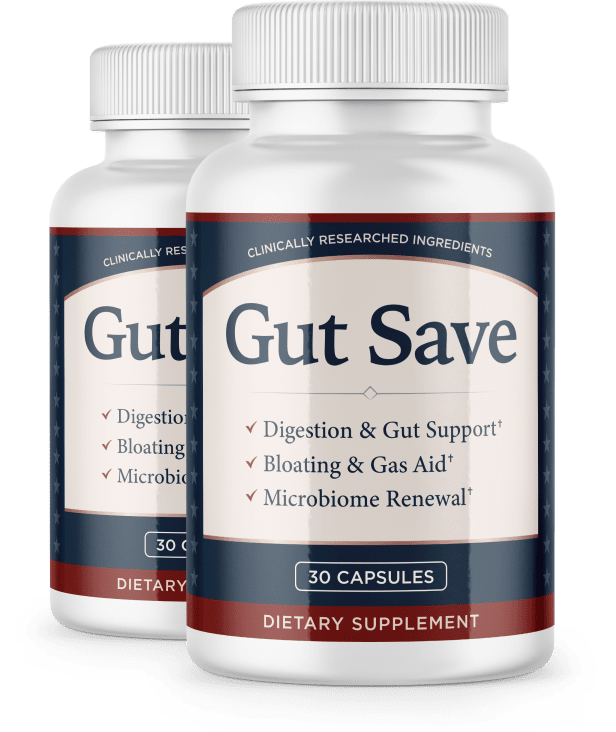
Gut Save
Fish collagen, herbs and probiotics, 500 mg with every dose listed
Serving1 capsule a day
Cost per day$1.63–$2.63
Every dose shownYes
The most open label of the three, with small amounts of each ingredient.
Check price on the official site
Read the label check
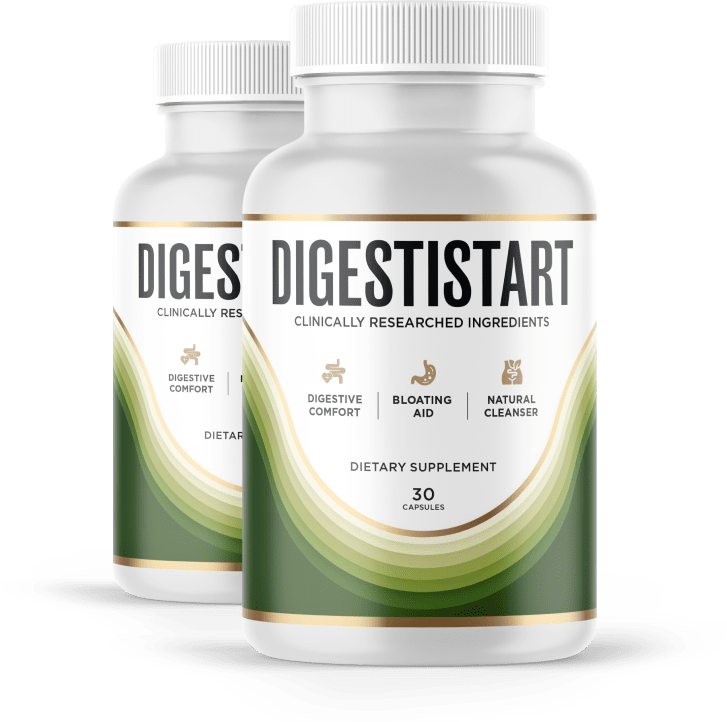
DigestiStart
11 traditional Chinese herbs in a 500 mg blend
Serving1 capsule a day
Cost per day$1.63–$2.63
Every dose shownNo
A herbal tonic blend, about 45 mg per herb, with mostly lab and animal studies behind it.
Check price on the official site
Read the label check
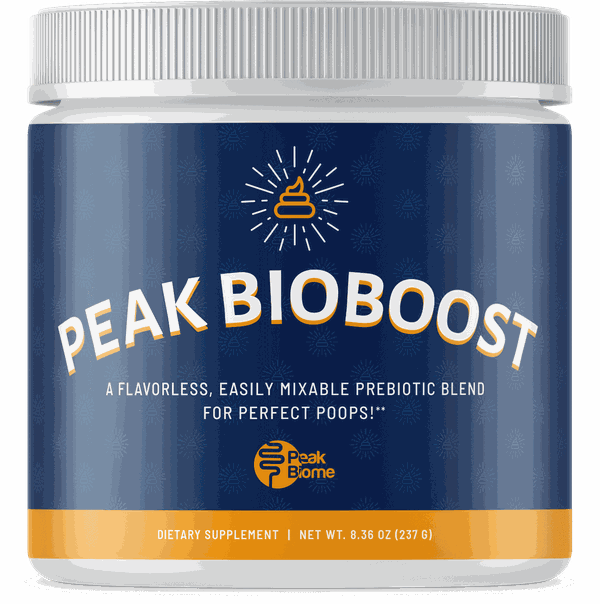
Peak BioBoost
Inulin, FOS, acacia gum and XOS (8 g blend) plus 40 mg magnesium
Serving1 scoop (about 8 g) a day
Cost per day$1.00–$1.67
Every dose shownPartly
A real fiber dose, 7 g a day, but the advertised star, XOS, is the smallest ingredient.
Check price on the official site
Read the label check
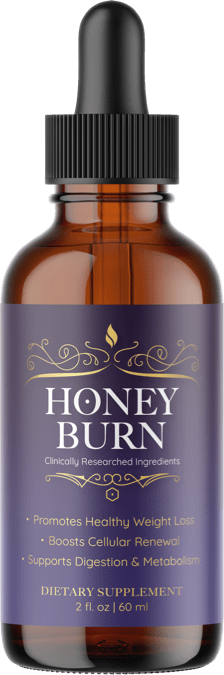
HoneyBurn
Honey, bee products, herbs and berberine in a 550 mg blend
Serving2 ml liquid a day
Cost per day$1.63–$2.30
Every dose shownNo
Berberine is listed last, so a serving holds about 4 mg of it at most.
Check price on the official site
Read the label check
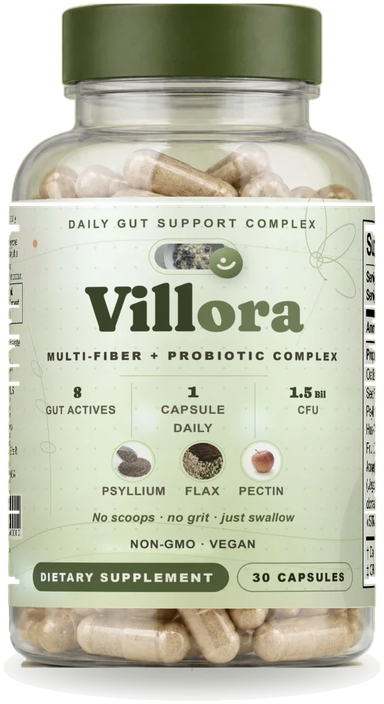
Villora
Six fibers, black walnut hull and one probiotic in a 695 mg blend
Serving1 capsule a day
Cost per day$1.63–$2.47
Every dose shownNo
Nearly the same formula as GutOptim at half the daily amount, and the label leaves the probiotic strain blank.
Check price on the official site
Read the label check
Sources
- U.S. FDA. FDA warns consumers not to use “Best Bentonite Clay”, March 23, 2016. fda.gov
- U.S. FDA. FDA warns consumers not to use “Bentonite Me Baby” by Alikay Naturals, January 2016. fda.gov
- U.S. Code of Federal Regulations, 21 CFR 184.1155: Bentonite. ecfr.gov
- Smectite for acute infectious diarrhoea in children. Cochrane Database of Systematic Reviews, 2018. CD011526
- Ducrotté P et al. Symptomatic efficacy of beidellitic montmorillonite in irritable bowel syndrome: a randomized, controlled trial. Aliment Pharmacol Ther, 2005. PubMed 15709995
- Mathee A et al. A cross-sectional analytical study of geophagia practices and blood metal concentrations in pregnant women in Johannesburg, South Africa. S Afr Med J, 2014;104(8):568–573. scielo.org.za
- GutOptim official site: Supplement Facts label, checked October 15, 2026. Details in our GutOptim review.