Home › Articles
Berberine: Benefits, Side Effects and the Dose That Matters
By the Gut Label Check team. Updated October 16, 2026. 4 min read
Disclosure: some pages on this site contain affiliate links. This article is general information, not medical advice.
Berberine is one of the most searched supplements in the US, helped along by social media calling it “nature’s Ozempic”. The research is more modest than the hype, and the dose on many labels is far below what was tested.
The short answer
- Blood sugar and cholesterol: berberine may have a modest effect, according to NIH’s National Center for Complementary and Integrative Health (NCCIH).
- Weight: pooled trials show roughly 1–2 kg on average. NCCIH says there isn’t enough rigorous evidence to know whether it works for weight loss.
- Dose: trials typically use 1,000–1,500 mg a day. Some products marketed with berberine contain a few milligrams.
Don’t take berberine without talking to a doctor if you: are pregnant or breastfeeding, take insulin or other diabetes medicines, or take any prescription medication. Never give it to infants: NCCIH warns it can cause or worsen newborn jaundice and lead to a life-threatening condition called kernicterus.
What berberine is
Berberine is a bitter yellow compound found in several plants, including goldenseal, barberry and the bark of the Amur cork tree (Phellodendron amurense). In the US it is sold as a dietary supplement, which means it is regulated as a food: products are not approved by the FDA for effectiveness before sale.
What the research shows
Blood sugar
NCCIH says berberine may have a modest effect on lowering blood glucose in people with type 2 diabetes. Most trials are small and short.
Cholesterol and blood pressure
NCCIH says it may reduce cholesterol levels, and may add a benefit for high blood pressure when combined with the medication amlodipine.
Weight
The evidence is weaker than the marketing suggests:
- A 2020 meta-analysis of 12 randomized trials found an average weight loss of about 2.1 kg (4.6 lb) compared with control.
- A larger meta-analysis of 23 trials, published in 2025, found about 0.9 kg (2 lb). Its authors called for better reporting of the purity and actual dose of the berberine tested.
- NCCIH’s summary: there isn’t enough rigorous scientific evidence to determine whether berberine is effective for weight loss.
Obesity specialists interviewed by NBC News said there is no evidence for the “nature’s Ozempic” label. Prescription GLP-1 drugs are tested in large trials and produce far bigger weight changes.
The dose that matters
Most clinical trials use about 500 mg two or three times a day (1,000–1,500 mg in total), usually with meals. Doses vary by condition and study.
How to read the berberine dose on a label
Labels state berberine in different ways, and the difference can be huge:
| What the label says | Berberine you actually get |
|---|
| “Berberine HCl 500 mg” | About 500 mg of berberine hydrochloride per serving. |
| “Phellodendron (or barberry) extract 500 mg, standardized to 8% berberine” | 8% of 500 mg = 40 mg of berberine. |
| Berberine listed inside a “proprietary blend” | Unknown, but you can estimate a maximum. Blend ingredients are listed from most to least by weight, so the further down the list, the less there is. |
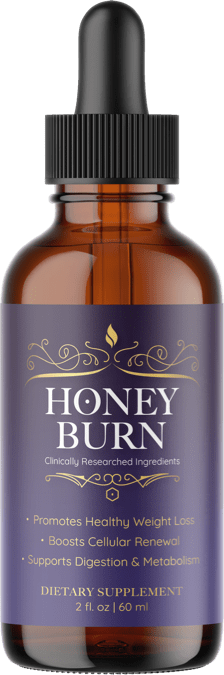
A real example: HoneyBurn lists “Berberine Hydrochloride Extract 8%” last among 11 ingredients in a 550 mg blend. As the smallest ingredient it can weigh at most about 50 mg, which is about 4 mg of berberine or less. That is roughly 1/250th to 1/375th of a trial dose. Full analysis: HoneyBurn review.
Side effects and interactions
- Digestive side effects are the most common: abdominal pain, constipation, diarrhea, nausea and vomiting (NCCIH). Taking it with food may help.
- Low blood sugar is a risk if you combine berberine with insulin or other diabetes medicines.
- Drug interactions: NCCIH warns that berberine might interact with medicines in negative ways. If you take any prescription drug, ask your pharmacist before starting.
- Pregnancy, breastfeeding and infants: don’t use it (see the warning above).
Questions people ask
Is berberine nature’s Ozempic?
No. Pooled trials show a modest weight change of roughly 1–2 kg, and specialists say the comparison with GLP-1 drugs has no evidence behind it.
How much berberine should I take?
Trials typically use 500 mg two or three times a day. Whether you should take it at all is a question for your doctor, especially if you take medication.
Can I take berberine with metformin or insulin?
Only with your doctor’s agreement. Both lower blood sugar, and together they could push it too low.
Do berberine patches work?
The trials we found tested berberine taken by mouth. We found no clinical trials of berberine patches.
Products we checked that market berberine
HoneyBurn
Honey, bee products, herbs and berberine in a 550 mg blend
Serving2 ml liquid a day
Cost per day$1.63–$2.30
Every dose shownNo
Berberine is listed last, so a serving holds about 4 mg of it at most.
Check price on the official site
Read the label check
Sources
- NIH National Center for Complementary and Integrative Health. In the News: Berberine (last updated June 2023). nccih.nih.gov
- Asbaghi O. et al. The effect of berberine supplementation on obesity parameters, inflammation and liver function enzymes: a systematic review and meta-analysis of randomized controlled trials. Clinical Nutrition ESPEN, 2020. doi:10.1016/j.clnesp.2020.04.010
- The effect of berberine on obesity indices: a systematic review and meta-analysis (23 randomized trials), 2025. PubMed 41310257
- Berberine doses used in clinical trials and interactions: Drugs.com: What is berberine used for?
- NBC News. What to know about berberine, the dietary supplement some call “nature’s Ozempic”. nbcsandiego.com
- U.S. Code of Federal Regulations, 21 CFR 101.36: proprietary blends listed in descending order of predominance by weight. ecfr.gov